


PLANNING FOR THE FUTURE
As parents, we want the same for all of our children. We want them to have opportunities to learn and grow, to have good friends and new experiences. We want them to work, volunteer and contribute to their communities in meaningful ways; to have financial security, a home of their own, and control over their lives. And as a family, we want peace of mind for the future.
Every parent does what they can to support their children to have a good life, but for children living with disabilities, achieving these goals requires much more intention.
Our role as parents, siblings and friends is much more critical. We can’t assume that our family members will navigate the school system on their own, make friends that will share their lives, discover things that interest them without having experiences and learning to express their preferences; find work and become financially independent. It is up to families and friends to lead the way with creativity and diligence. There’s a lot to learn and a lot to consider.
This is the purpose of the P4P Action Guides. Providing families with strategies, stories and practical information that will help them plan for and create a life for a relative with a disability that is without limit and full of opportunities in every sense.
It Begins with a Dream
What is the life you would like?
Seems like a logical question. But for many people who are vulnerable, it’s not a question they often hear because their life choices are commonly limited to the programs or services offered in their area. For example, their options may be limited to working in this special workshop, living in this group home or participating in this special disability activity.
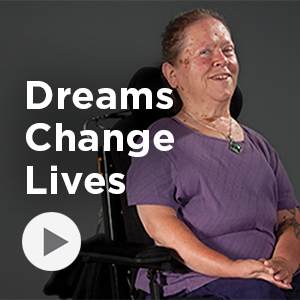
We believe that, regardless of ability, all people have the right to participate in everyday activities along with everyone else in their communities. The only limit is the imagination of those supporting them. As disability advocate Judith Snow has said, “dreams change lives”. Taking the time to support a person to dream and discover what’s important to them is a great place to start.
Follow Your Passions
There are many good reasons why the best place to start creating a plan is with a person’s passions and interests.
Untapped Opportunities
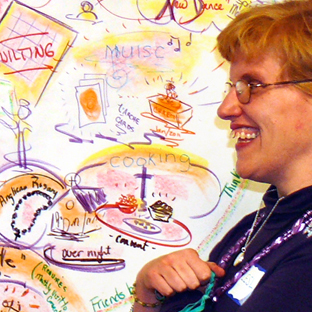
Considering interests as a first step can open many untapped opportunities. Think of the many activities that could be generated from an interest in cooking: preparing meals for friends or neighbours, cooking classes and food shopping, growing and harvesting a garden, restaurant work or volunteering in a community kitchen or shelter, etc. When you find an activity you are passionate about, you can then look at developing or hiring the right supports. It’s a different approach to build supports around personal interests, rather than just looking for “activities”. Pick a few passions or interests and brainstorm activities that are related.
New Connections
Friendships are often developed between people who share an interest or passion. If you are strategic in choosing activities that involve others, you may find new connections. Connections that may offer support or lead to new friendships.
Feeling Confident and Valued
Confidence is much greater for anyone when they care about what they’re doing and are involved with others who share their passion. People living with a disability are no different. It’s activities like these that allow a person to feel valued, connected and successful.
Unfortunately, not everyone has had the opportunity to explore their interests. If you or someone in your family is in this position, you may need time to explore. Try new things, meet new people, get out there. Visit new places and experiment with a variety of ideas. Life is exciting when exploring new opportunities.
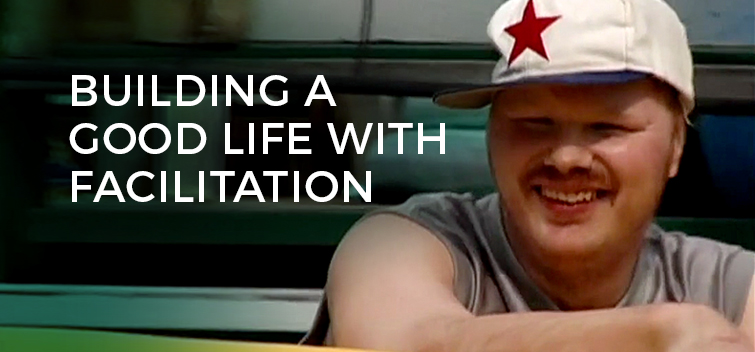
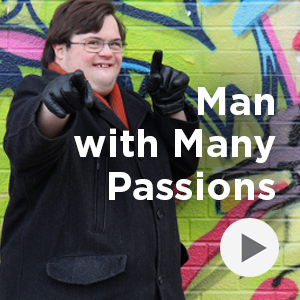
Julian Escallon is a man of many passions. Julian and his family and friends built upon his many interests and passions to help him create a life full of opportunity and purpose.
Person Directed Planning
At one point, Person Centred Planning was a new and exciting idea. This was in response to the fact that life plans were being made for people with a disability who were not even invited to the planning meeting. In contrast, Person Directed Planning goes one step further. Rather than simply being at the centre of a plan, it became critical that the person, with the support of their family and friends, directs the planning process.
Person Directed Planning (PDP) is much more than a simple planning process. When implemented with deep values, it’s a process that helps a person identify their gifts and strengths, enrolls others in supporting them and builds a foundation that can open up new possibilities for their lives.
Independent Facilitation
Independent Facilitation is a practice designed to support people in achieving the changes they would like to see in their lives. It involves, planning, action, reflection and growth.
One of the challenges with Person Directed Planning is that a person is often left with a written plan with little support for implementing the plan. Independent Facilitation recognizes that planning is ongoing and once you have a plan in place, it may change as the person tries different things and learns and grows. Independent Facilitators may remain involved with the person on a long-term basis, collaborating with them as they build their lives.
$2,500 of Passport Funding may be used towards Independent Facilitation.
For Planning Professionals: Join the Planning & Facilitation Collaborative (PFC)
If you support people with disabilities to live inclusive lives in their communities, connect with like-minded peers through the PFC! The PFC brings together professionals engaging in the work of planning across Canada and beyond to share resources, practical guidance, and build knowledge. Through education, connection, and conversation, the PFC can help emerging and established professionals feel more informed, supported, and confident to support people with developmental disabilities and their families.
Plan with Others - Not Alone
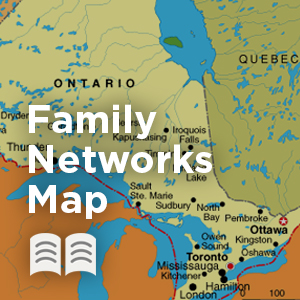
Families tell us that often their greatest source of inspiration and new ideas is from other families. A Family Support Network is a group of families caring for a relative with a disability that gathers in a particular community for many different reasons.
A Leap of Faith
We know that planning can be complex, challenging and never-ending. There is great pressure to give in and simply accept the status quo.
For instance, it can be much easier to simply purchase a special program or service for your family member. But if you would like them to thrive, to control their opportunities, to be in relationships, to contribute and to grow - planning and intention are required.
There are numerous uplifting stories on the Planning Network featuring people with disabilities and their families who are committed to creating the types of opportunities and lifestyles that will enable them to thrive.
If there is one aspect that each story shares, it is having a clear vision of a future they would like to create. Few of the families featured knew for a fact that everything would work out. In fact, many moved forward as a leap of faith. And when they experienced setbacks, their resilience was bolstered by the clarity of their vision.
Please take the time to view some of the stories below. We hope they will inspire you to create and plan your own uplifting family story.